
When my doctor told me my blood pressure was creeping into the "concerning" range at 140/85, I felt overwhelmed. At 42, I wasn't ready for a lifetime of medication. That conversation sparked a year-long journey into natural blood pressure management that changed my life – and my numbers.
High blood pressure affects nearly 48% of American adults according to the latest CDC data, and what's shocking is that about 1 in 5 adults with high blood pressure is unaware of it. Even more surprising is how much we can influence our blood pressure through simple, research-backed lifestyle changes. After implementing the seven methods I'm about to share, my blood pressure dropped to a healthy 118/76 – no medication required.
Understanding the Growing Blood Pressure Crisis
The numbers are staggering. In 2023, high blood pressure was a primary or contributing cause of 664,470 deaths in the United States, making it one of our most preventable killers. The prevalence increases dramatically with age – from 13.9% among adults ages 18-39 to 47.1% for ages 40-59 and 69.1% for those 60 and older.
What makes hypertension particularly dangerous is its silent nature. Most people with hypertension don't feel any symptoms, earning it the nickname "the silent killer." Yet if hypertension isn't treated, it can cause other health conditions like kidney disease, heart disease and stroke.
The good news? Hypertension is both preventable and treatable, and the seven science-backed methods I'll share can make a profound difference in your numbers – and your life.
Method 1: Master the DASH Diet – Your Blood Pressure's Best Friend
The Dietary Approaches to Stop Hypertension (DASH) diet isn't just another fad – it's the gold standard for blood pressure management. DASH stands for Dietary Approaches to Stop Hypertension. The DASH diet is a healthy-eating plan designed to help prevent or treat high blood pressure, also called hypertension.

What makes DASH so effective? Foods in the DASH diet are rich in the minerals potassium, calcium and magnesium. The DASH diet focuses on vegetables, fruits and whole grains. It includes fat-free or low-fat dairy products, fish, poultry, beans and nuts.
The research is impressive. As compared with the control diet with a high sodium level, the DASH diet with a low sodium level led to a mean systolic blood pressure that was 7.1 mm Hg lower in participants without hypertension, and 11.5 mm Hg lower in participants with hypertension.
Your DASH Action Plan:
- Fill half your plate with vegetables and fruits at every meal
- Choose whole grains over refined options
- Include 2-3 servings of low-fat dairy daily
- Limit red meat to 2-3 servings per week
- Snack on nuts, seeds, and beans instead of processed foods
- 1,500 milligrams (mg) sodium lowers blood pressure even further than 2,300 mg sodium daily
Method 2: Get Moving – Exercise as Medicine
If exercise came in pill form, it would be the most prescribed medication for high blood pressure. The evidence is overwhelming: Becoming more active can lower both the top and the bottom blood pressure numbers. Studies show drops of 5 to 8 mm Hg diastolic and 4 to 10 mm Hg systolic.
Recent research has revealed some fascinating insights about exercise timing and type. Research published in the European Heart Journal showed that just three 20-minute HIIT sessions per week produced blood pressure reductions comparable to daily moderate-intensity exercise totaling twice the time commitment.
The Science Behind Different Exercise Types:
The results indicated that reduced systolic (SBP) and diastolic blood pressures (DBP) after aerobic training (p < 0.01), resistance training (p < 0.01), combined (aerobic + resistance) exercise training (p < 0.01) and isometric handgrip training (p < 0.01).
What surprised me most was learning about resistance training. RET caused significant reductions in SBP [−7.9 mmHg], cSBP [6.8 mmHg], DBP [4.8 mmHg], and cDBP [−5.1 mmHg] in a recent study of middle-aged adults with elevated blood pressure.
Your Exercise Prescription:
- Aim for at least 150 minutes of moderate aerobic activity or 75 minutes of vigorous aerobic activity a week
- Add 2-3 resistance training sessions weekly
- Try high-intensity interval training (HIIT) for maximum benefit in minimal time
- Include activities you enjoy – walking, swimming, dancing, cycling
- It takes about 1 to 3 months for regular exercise to have an impact on blood pressure
Method 3: Tame Stress with Mindfulness and Meditation
Chronic stress is a silent saboteur of healthy blood pressure. When we're stressed, our bodies release hormones that temporarily spike blood pressure. Over time, this can become a permanent problem. Fortunately, mindfulness and meditation offer powerful solutions.
The research on meditation's blood pressure benefits is compelling. Eight trials reported MBM convincing in lowering the systolic BP (p=0.001–0.020) and 6 in reducing the diastolic BP (p=0.001–0.01) among this target population.
In one of Dr. Benson's studies, elderly people with hard-to-treat isolated systolic hypertension underwent relaxation response training. The study participants were more likely to control their blood pressure to the point in which some could reduce and even eliminate their blood pressure medications.
How Meditation Lowers Blood Pressure:
Meditation and mindfulness engage the parasympathetic nervous system (PNS), which relaxes and regulates the autonomic system, lowering stress and improving emotional regulation. Other research revealed that when blood pressure falls during the relaxation response, inflammation and blood vessel constriction become less active and blood vessels widen.
Simple Stress-Busting Techniques:
- Practice deep breathing: 4 counts in, hold for 4, exhale for 6
- Try a 10-minute daily mindfulness meditation
- Use progressive muscle relaxation before bed
- Take mindful walks without devices
- Consider a structured program like Mindfulness-Based Stress Reduction (MBSR)
Method 4: Optimize Your Sleep – The Forgotten Factor
Poor sleep and high blood pressure go hand in hand. During deep sleep, our blood pressure naturally dips, giving our cardiovascular system a chance to recover. When we don't get quality sleep, we miss this crucial recovery period.
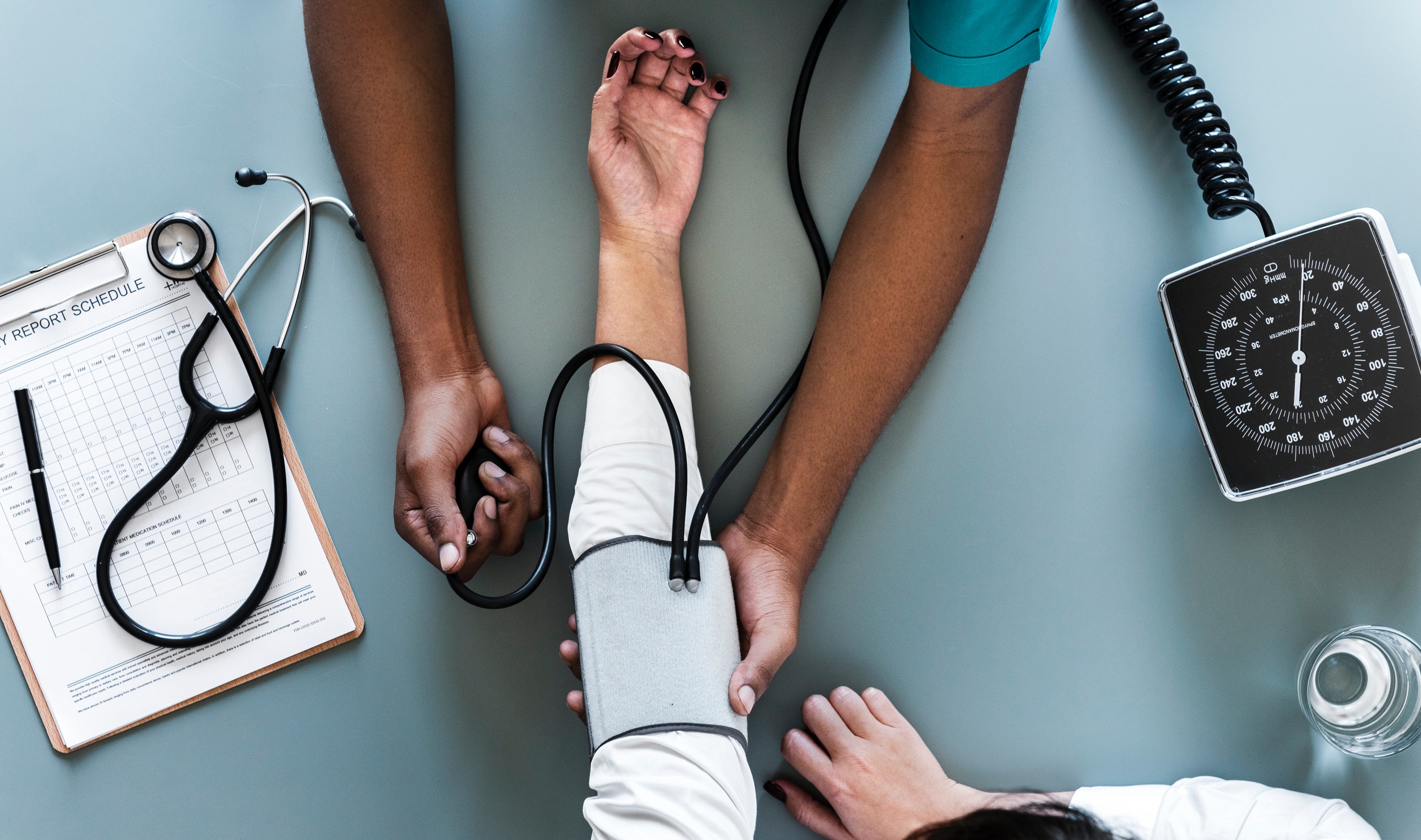
Image: Blood pressure monitoring — rawpixel.com (CC0), via Wikimedia Commons
Sleep apnea, in particular, is a major culprit in resistant hypertension. The repeated interruptions in breathing cause oxygen levels to drop and stress hormones to spike, driving blood pressure higher.
Your Sleep Optimization Strategy:
- Aim for 7-9 hours of quality sleep nightly
- Keep a consistent sleep schedule, even on weekends
- Create a cool, dark, quiet sleeping environment
- Avoid screens 1 hour before bedtime
- If you snore or feel tired despite adequate sleep, talk to your doctor about sleep apnea
- Limit caffeine after 2 PM
- Consider a relaxing bedtime routine with reading or gentle stretching
Method 5: Maintain a Healthy Weight – Every Pound Matters
The relationship between weight and blood pressure is straightforward: as weight increases, so does blood pressure. The good news is that even modest weight loss can make a meaningful difference.
If you're overweight, losing even 5 pounds (about 2.3 kilograms) can lower your blood pressure. This happens because excess weight requires your heart to pump more blood to supply oxygen and nutrients to tissue, increasing the force on artery walls.
Focus on These Weight Management Strategies:
- Follow the DASH eating principles mentioned earlier
- Practice portion control – use smaller plates
- Eat slowly and mindfully
- Stay hydrated – often thirst masquerades as hunger
- Plan meals and snacks to avoid impulsive choices
- Combine diet changes with regular exercise for best results
Method 6: Limit Alcohol and Quit Smoking
Both alcohol and tobacco have complex relationships with blood pressure. Drinking too much alcohol can increase blood pressure. The Dietary Guidelines for Americans recommends that men limit alcohol to no more than two drinks a day and women to one or less.
Smoking is even more problematic. Each cigarette temporarily raises blood pressure for several minutes, and the chemicals in tobacco can damage blood vessel walls, leading to narrowed arteries and permanently elevated pressure.
Your Action Steps:
- If you drink alcohol, stay within recommended limits
- Consider alcohol-free days throughout the week
- If you smoke, quitting is the single best thing you can do for your blood pressure
- Seek support through quitlines, apps, or healthcare providers
- Avoid secondhand smoke exposure
Method 7: Strategic Supplementation
While food should always be your first source of nutrients, certain supplements have shown promise in supporting healthy blood pressure levels. Magnesium supplementation (300-400 mg daily) has demonstrated consistent blood pressure reductions of 3-5 mmHg in those with deficiency or borderline levels.
Evidence-Based Supplements to Consider:
- Magnesium: 300-400mg daily if you're deficient
- Potassium: Focus on food sources first (bananas, potatoes, spinach)
- Garlic extract: Some studies show modest benefits
- Hibiscus tea: 1-2 cups daily may help
- Coenzyme Q10: May benefit those on blood pressure medications
Important: Always consult your healthcare provider before starting supplements, especially if you take medications.
Putting It All Together: Your 30-Day Action Plan
Implementing all seven methods at once can feel overwhelming. Here's how I recommend phasing them in:
Week 1-2: Start with the DASH diet principles and begin a simple walking routine. Add one 10-minute meditation session daily.
Week 3-4: Optimize your sleep schedule and environment. Reduce alcohol if needed. Consider a magnesium supplement after consulting your doctor.
Month 2 and beyond: Add resistance training to your exercise routine. If you smoke, create a quit plan. Fine-tune your approach based on what's working.
Remember, Technology-enabled platforms that adapt recommendations based on real-time feedback and progress have demonstrated superior outcomes compared to static intervention protocols. Consider using a blood pressure monitor to track your progress and adjust your approach accordingly.
The Bottom Line
Natural blood pressure management isn't just possible – it's powerful. The seven science-backed methods I've shared can collectively reduce your blood pressure by 10-20 mmHg systolic and 5-15 mmHg diastolic. For many people with stage 1 hypertension, this can eliminate the need for medication entirely.
The key is consistency and patience. It takes about 1 to 3 months for regular exercise to have an impact on blood pressure. The benefits last only as long as you continue to exercise. The same principle applies to all these methods – they work, but they require ongoing commitment.
Start where you are, use what you have, and do what you can. Your future self – and your blood pressure numbers – will thank you for taking action today. Remember, these natural approaches work best alongside regular medical care, not as a replacement for it. Always work with your healthcare provider to monitor your progress and adjust your treatment plan as needed.
Sources & References:
Centers for Disease Control and Prevention — High Blood Pressure Facts, 2025
World Health Organization — Hypertension Fact Sheet, 2025
American Heart Association — Managing Blood Pressure with a Heart-Healthy Diet, 2024
National Heart, Lung, and Blood Institute — DASH Eating Plan, 2024
Nature Scientific Reports — Effect of leisure-time physical activity on blood pressure in people with hypertension, 2023
Disclaimer: This article is for informational purposes only and does not constitute medical advice. Always consult a qualified healthcare professional before making health decisions.