
A 2025 systematic review and meta-analysis published in the Journal of Physiological Anthropology found that dietary interventions — from oral collagen hydrolysates to antioxidant-rich food patterns — produced statistically significant improvements in multiple markers of skin aging, including skin hydration, elasticity, and wrinkle depth. For the millions of people asking whether what they eat actually shows up in their skin, the short answer, backed by rigorous peer-reviewed evidence, is yes — and the mechanisms explain exactly why.
Why Skin Ages the Way It Does
Skin aging is driven by two converging forces: intrinsic (chronological) aging and extrinsic aging, primarily from cumulative UV radiation. Both converge on the same structural vulnerability — the progressive breakdown of collagen and elastin, the proteins that give skin its firmness, bounce, and thickness.
Collagen accounts for roughly 70–80% of the skin's dry weight. In the dermis, Type I and Type III collagen fibrils form a dense "basket-weave" architecture that holds moisture, resists deformation, and supports the epidermis above. From our mid-20s onward, collagen synthesis declines by roughly 1% per year, while UV exposure, cigarette smoke, high-sugar diets, and chronic inflammation upregulate enzymes called matrix metalloproteinases (MMPs) that accelerate collagen degradation.
The visible result, accumulated over decades: thinner skin, fine lines, reduced plumpness, and increased surface texture. Nutrition cannot stop this biological process, but a growing evidence base confirms it can significantly modulate the rate at which it progresses.
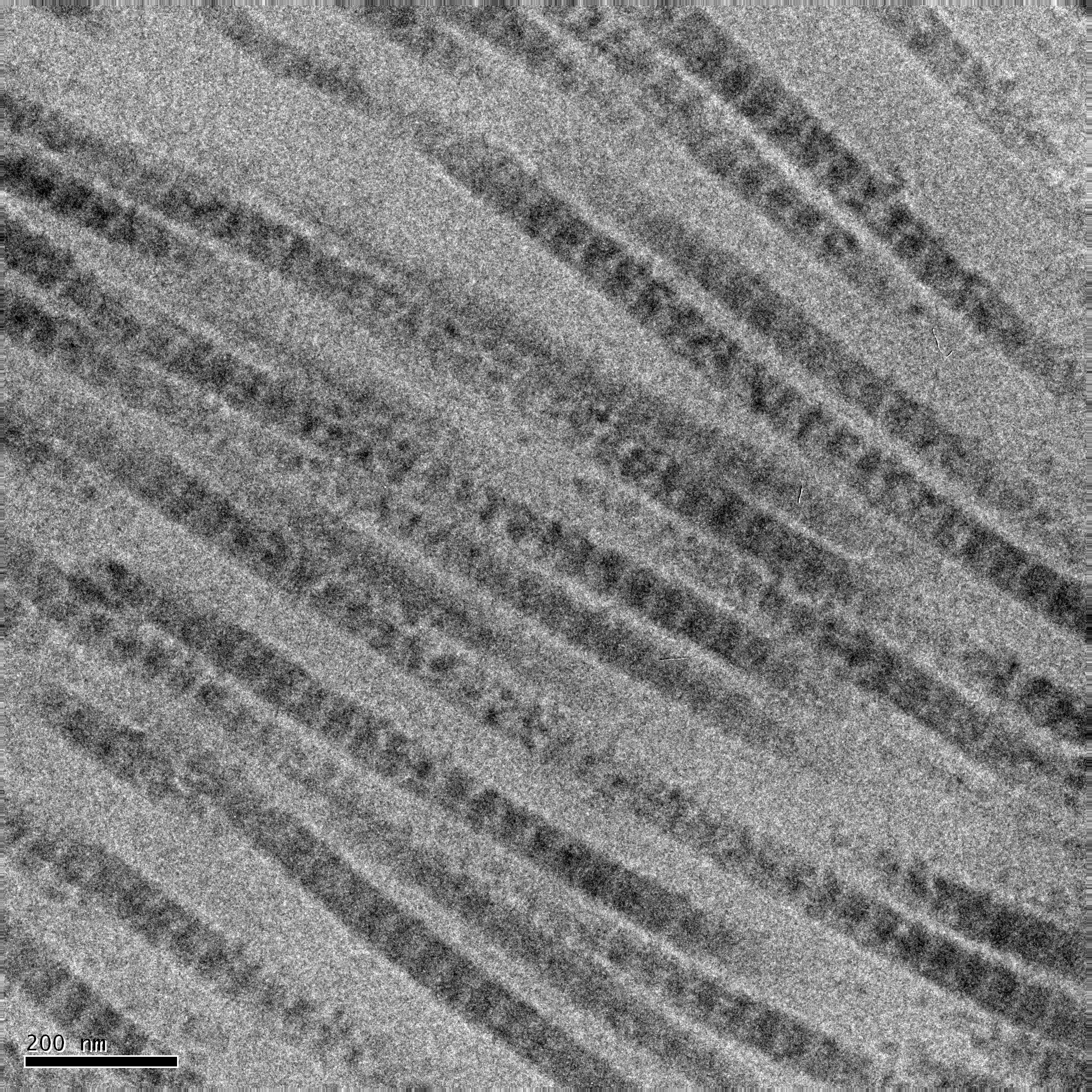
Image: Collagen fibrils in rabbit skin — Vincesherman (CC BY-SA 4.0), via Wikimedia Commons
What the 2025 Systematic Review Found
The 2025 systematic review and meta-analysis by Ng and colleagues (PMID 41174715), published in the Journal of Physiological Anthropology, pooled results from multiple controlled trials examining dietary interventions and objective measures of skin aging. Interventions included oral collagen hydrolysates, vitamins C and E, polyphenol-rich plant foods, omega-3 fatty acids, ceramides, and specific dietary patterns.
Several findings stand out. Oral collagen hydrolysates — typically derived from marine or bovine sources and taken at doses between 2.5 and 10 grams daily — showed consistent improvements in skin hydration, dermal elasticity, and wrinkle reduction across multiple randomized controlled trials after 8 to 12 weeks of supplementation. The effect sizes were modest but statistically significant, and the consistency across different study populations and collagen formulations strengthened the evidence considerably.
Vitamin C emerged as a critical cofactor that appears throughout the evidence. Vitamin C is the essential cofactor for prolyl hydroxylase and lysyl hydroxylase — the enzymes responsible for hydroxylating proline and lysine residues during collagen synthesis. Without adequate vitamin C, stable collagen triple helices cannot form. This is not speculative; it is the same biochemical mechanism behind scurvy, the clinical consequence of severe vitamin C deficiency. Multiple studies included in the meta-analysis demonstrated that adequate dietary vitamin C contributed to improved skin elasticity and reduced photoaging markers, reinforcing the importance of diet-wide nutritional support, not just collagen supplements in isolation.
Beyond Collagen: Marine Compounds and Broader Antioxidant Defense
A 2026 study published in the Journal of Nutritional Biochemistry (Fei et al., PMID 41707922) added a compelling data point to the nutrition-skin aging relationship. The researchers examined fucoxanthin — a carotenoid compound found in marine algae and edible brown seaweeds like wakame and kombu — and found that dietary fucoxanthin alleviated skin aging markers and modulated systemic aging indicators in naturally aged mice.
The study matters because it extends the evidence base beyond conventional collagen supplementation to broader dietary compounds that modulate aging biology from multiple angles. Fucoxanthin appears to both reduce oxidative stress in skin tissue and influence systemic markers of aging — suggesting that skin health and systemic aging share common nutritional leverage points.
Carotenoids more broadly — including beta-carotene (from carrots and sweet potatoes), lycopene (from cooked tomatoes), and astaxanthin (from salmon) — accumulate in skin tissue where they contribute to intrinsic photoprotection by quenching reactive oxygen species before they can activate MMPs or damage collagen cross-links. This dietary photoprotection is real but functions as a complement to, not a replacement for, topical sunscreen.
Polyphenols — the antioxidant compounds responsible for the colors and flavors of blueberries, green tea, dark chocolate, pomegranates, and red wine — offer an additional mechanism: they directly inhibit MMP enzymes that degrade collagen and suppress the inflammatory cytokines (TNF-α, IL-1β, IL-6) that trigger MMP upregulation in the first place. Green tea catechins and resveratrol have shown the most consistent anti-photoaging effects in controlled studies.

Image: Aging woman 16 — Stevenndori289 (CC0), via Wikimedia Commons
The Personalized Nutrition Dimension
A 2025 study in Frontiers in Genetics (Yang, PMID 41031084) added an important and practically meaningful nuance: genetic polymorphisms significantly influence how dietary nutrients translate into actual skin outcomes. Variations in genes governing collagen synthesis (COL1A1, COL1A2), antioxidant enzyme activity (SOD2, GSTP1, CAT), UV damage response pathways, and nutrient metabolism mean that individuals respond meaningfully differently to the same dietary inputs.
This genetic heterogeneity helps explain a common observation: some people achieve visibly improved skin texture and glow from antioxidant-rich diets, while others following similar patterns see more modest changes. It also underscores why population-level supplement recommendations carry inherent uncertainty — the "optimal dose" of vitamin C or collagen for skin outcomes likely varies by individual genotype.
The field of nutrigenomics is still maturing, and clinically actionable genetic skin-nutrition guidance remains largely in the research phase. But the practical message is to approach dietary skin health with breadth: adequate protein (the substrate for collagen synthesis), vitamin C as the essential cofactor, carotenoids and polyphenols for protective antioxidant coverage, and omega-3 fatty acids to maintain the skin barrier and suppress the baseline inflammation that accelerates collagen breakdown.
A Practical Guide: What to Eat for Skin Health
| Nutrient | Role in Skin Aging | Best Dietary Sources |
|---|---|---|
| Hydrolyzed collagen | Direct building block; improves skin hydration and elasticity | Bone broth, collagen peptide supplements (2.5–10g/day) |
| Vitamin C | Essential cofactor for collagen synthesis; antioxidant defense | Bell peppers, kiwi, citrus fruit, strawberries, broccoli |
| Carotenoids | Accumulate in skin; intrinsic photoprotection, quench free radicals | Tomatoes, carrots, sweet potato, salmon, seaweed |
| Omega-3 fatty acids | Maintains skin barrier integrity; reduces inflammatory MMP induction | Salmon, sardines, mackerel, walnuts, flaxseed |
| Polyphenols | Inhibit collagen-degrading MMPs; suppress inflammatory cytokines | Green tea, blueberries, dark chocolate, pomegranate |
| Zinc | Cofactor for collagen synthesis enzymes; wound healing | Oysters, pumpkin seeds, legumes, beef, hemp seeds |
Frequently Asked Questions
Does taking collagen supplements actually work for skin?
Based on the 2025 systematic review and meta-analysis (Ng et al., PMID 41174715), oral hydrolyzed collagen peptides — typically taken at 2.5–10g daily — consistently improved skin hydration, elasticity, and wrinkle depth in randomized controlled trials after 8–12 weeks. The effects are real but modest, and supplements work best when combined with adequate vitamin C (the cofactor collagen synthesis requires) and a broadly nutrient-rich diet. Collagen supplements do not replace sun protection or topical skincare, but they add a meaningful nutritional layer to skin maintenance.
What foods most accelerate skin aging?
High added sugar intake is among the best-documented dietary accelerators of skin aging. Sugar promotes glycation — a process in which glucose molecules attach to collagen fibers, forming advanced glycation end-products (AGEs) that cross-link and stiffen collagen, reducing elasticity and promoting a dull, rougher skin texture. Ultra-processed foods high in refined carbohydrates and industrial seed oils also promote systemic inflammation and oxidative stress, both of which upregulate MMP enzymes that degrade collagen. Excessive alcohol similarly depletes antioxidant reserves and disrupts sleep — another indirect pathway to accelerated skin aging.
How long does it take for dietary changes to affect skin appearance?
Most controlled studies showing meaningful improvements in skin markers from dietary interventions have durations of 8–12 weeks. Skin cells (keratinocytes) in the outer epidermis turn over roughly every 4–6 weeks, and changes in dermal collagen density take longer to manifest visibly. Expect a minimum of two to three months of consistent dietary change before looking for visible results, and recognize that the most realistic goal is slowing the rate of decline and maintaining existing skin quality — not reversing years of accumulated photoaging.
Bottom Line
The evidence is now sufficiently robust to say with confidence: your diet meaningfully affects how your skin ages. The 2025 systematic review gives us a solid scientific foundation — dietary collagen peptides, vitamin C, carotenoids, polyphenols, and omega-3 fatty acids each contribute through distinct, well-characterized biological mechanisms to preserving skin structure and slowing the signs of aging. Emerging findings on marine carotenoids like fucoxanthin and the role of individual genetics suggest this field will only grow more precise. Our recommendation is to build skin nutrition broadly: prioritize vitamin C-rich foods at every meal, eat oily fish at least twice a week, incorporate green tea and polyphenol-rich berries daily, and minimize added sugar. If you choose to supplement, hydrolyzed collagen peptides have the strongest evidence base among all skin-targeted supplements. None of this replaces daily broad-spectrum sun protection — but it provides genuine complementary protection from the inside out.
Sources & References:
Ng JY et al. "Dietary interventions in skin ageing: a systematic review and meta-analysis." J Physiol Anthropol. 2025;44(1):26.
Fei J et al. "Dietary fucoxanthin alleviates skin aging and modulates systemic aging markers in naturally aged C57BL/6J mice." J Nutr Biochem. 2026;153:110313.
Yang J. "Personalized skin health management and nutrition strategies: a comprehensive study based on genetic polymorphisms and dietary factors." Front Genet. 2025;16:1624960.
Disclaimer: This article is for informational purposes only and does not constitute medical advice. Always consult a qualified healthcare professional before making health decisions.