
Hey everyone, it's Sarah here, your friendly neighborhood RN with 12 years under my belt. Let's talk about something that's been brewing (pun intended!) in the research world: the gut-brain connection, and specifically, how your gut microbiome impacts your mental health. When that 2025 study dropped showing how certain gut bacteria influenced anxiety med efficacy, well, it got my attention, and I knew I had to share what I've learned.
The Gut-Brain Axis: A Two-Way Street
For years, we've known that the gut and brain are connected via the vagus nerve, a superhighway of communication. But the extent of that communication, and the critical role of the gut microbiome (the trillions of bacteria, fungi, viruses, and other microbes living in your digestive tract) is now becoming crystal clear. It's not just a one-way street either; the brain influences the gut, and the gut profoundly influences the brain. Stress, for instance, can wreak havoc on your gut microbiome, and conversely, an imbalanced gut microbiome can contribute to anxiety and depression.
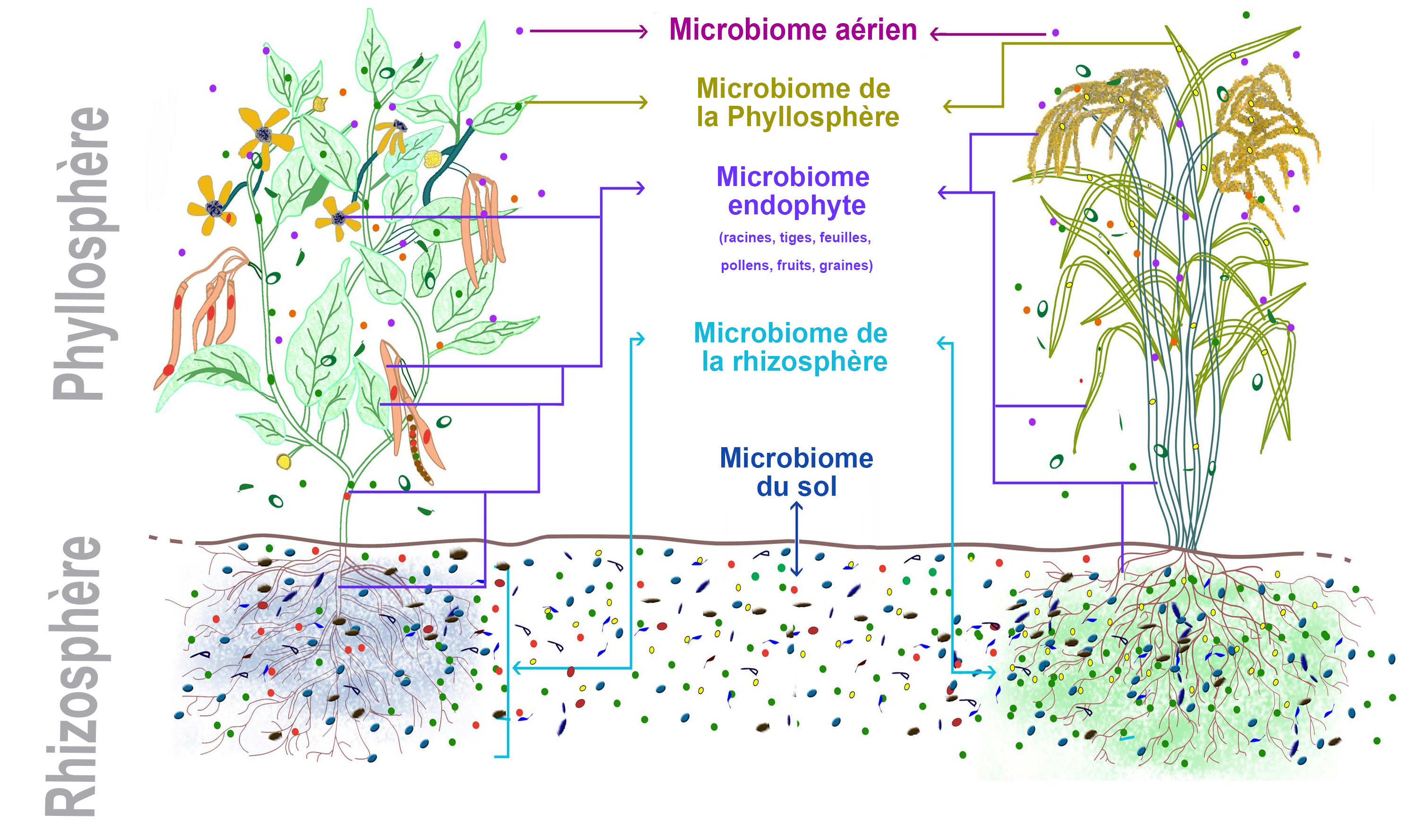
Image: Microbiomes végétaux Plant microbiome.jpg — Lamiot (CC BY-SA 4.0), via Wikimedia Commons
The Microbiome's Impact on Neurotransmitters
Here's where it gets really interesting: your gut microbiome is a major player in producing neurotransmitters, those chemical messengers that regulate mood, sleep, and cognition. For example, a significant portion of serotonin, the 'happy hormone,' is produced in the gut. An imbalanced microbiome can lead to decreased serotonin production, potentially contributing to mood disorders. In fact, a 2023 meta-analysis published in PubMed showed a strong correlation between gut dysbiosis (microbial imbalance) and increased risk of depression.
Inflammation: The Gut-Brain Culprit?
Chronic inflammation is increasingly recognized as a key driver of both physical and mental health issues. A 'leaky gut,' where the gut lining becomes permeable, allows bacteria and toxins to enter the bloodstream, triggering an inflammatory response. This inflammation can then travel to the brain, disrupting neuronal function and contributing to conditions like anxiety, depression, and even cognitive decline. The NIH has funded extensive research into the role of gut inflammation in neurological disorders, yielding promising results for targeted interventions.
Dietary Strategies for a Happier Gut (and Mind)
So, what can you do to cultivate a flourishing gut microbiome? Diet is paramount. Focus on:
- Fiber-rich foods: Fruits, vegetables, whole grains, and legumes provide fuel for beneficial gut bacteria.
- Fermented foods: Yogurt (with live cultures), kefir, sauerkraut, kimchi, and kombucha introduce beneficial bacteria to your gut.
- Prebiotic foods: Onions, garlic, asparagus, and bananas contain prebiotics, which feed existing beneficial bacteria.
- Limit processed foods, sugar, and artificial sweeteners: These can disrupt the balance of your gut microbiome.
A 2024 study at Mayo Clinic demonstrated that participants who followed a Mediterranean-style diet for 12 weeks experienced significant improvements in both gut microbiome diversity and self-reported mood scores.
| Food Group | Examples | Benefits |
|---|---|---|
| Fiber-Rich Foods | Broccoli, Apples, Oats, Lentils | Feeds beneficial bacteria, promotes regularity |
| Fermented Foods | Yogurt (live cultures), Kimchi, Sauerkraut | Introduces beneficial bacteria to the gut |
| Prebiotic Foods | Garlic, Onions, Asparagus | Nourishes existing beneficial bacteria |
Beyond Diet: Lifestyle Factors for Gut Health
While diet is crucial, other lifestyle factors also play a significant role:
- Stress management: Chronic stress can negatively impact your gut microbiome. Practice relaxation techniques like meditation, yoga, or deep breathing.
- Regular exercise: Physical activity has been shown to increase gut microbiome diversity.
- Adequate sleep: Sleep deprivation can disrupt your gut microbiome. Aim for 7-9 hours of quality sleep per night.
- Judicious use of antibiotics: Antibiotics can kill both good and bad bacteria. Use them only when necessary and under the guidance of a healthcare professional. The CDC provides excellent resources on antibiotic stewardship.

Image: Gut Health - Health Bells Festival 2024 30.jpg — Frank Schwichtenberg (CC BY-SA 4.0), via Wikimedia Commons
The Future of Gut-Brain Research
The field of gut-brain research is rapidly evolving. We're seeing personalized approaches based on individual microbiome profiles become more common. Fecal Microbiota Transplantation (FMT), while still primarily used for severe C. difficile infections, is being investigated for its potential in treating mental health disorders. A 2026 report from Harvard Health highlighted the ethical considerations and promising preliminary results of FMT for depression and anxiety. Furthermore, research into specific probiotic strains targeting particular mental health symptoms is gaining momentum. Keep an eye out for more breakthroughs in this exciting area!
Frequently Asked Questions
Can probiotics help with anxiety?
Some studies suggest that certain probiotic strains may help reduce anxiety symptoms, but more research is needed to determine which strains are most effective and for whom. Talk to your doctor before starting any new supplement regimen.
How long does it take to see changes in my gut microbiome after changing my diet?
Changes in your gut microbiome can occur relatively quickly, sometimes within a few days of dietary changes. However, it may take several weeks or months to establish a more stable and balanced microbiome.
Is a leaky gut the same as Irritable Bowel Syndrome (IBS)?
No, leaky gut (increased intestinal permeability) and IBS are not the same thing, although they can be related. Leaky gut is a condition where the gut lining becomes more permeable, allowing substances to leak into the bloodstream. IBS is a functional gastrointestinal disorder characterized by abdominal pain and altered bowel habits. While leaky gut may contribute to IBS symptoms in some individuals, it's not the sole cause.
Bottom Line
As an RN, I've seen firsthand the profound impact of mental health on overall well-being. And I'm convinced that addressing gut health is a crucial, often overlooked, piece of the puzzle. I truly believe that by prioritizing a gut-friendly lifestyle, we can not only improve our physical health but also cultivate greater emotional resilience and mental clarity. Start small, focus on adding more fiber and fermented foods to your diet, and see how you feel. You might be surprised at the positive changes you experience!
Sources & References:
National Institutes of Health (NIH)
Mayo Clinic
Centers for Disease Control and Prevention (CDC)
Harvard Health
PubMed
Disclaimer: This article is for informational purposes only and does not constitute medical advice. Always consult a qualified healthcare professional before making health decisions.