
Hey everyone, it's Nurse Amy here! With 12 years under my belt in the healthcare trenches, I've seen a lot. But the rise of chronic inflammatory diseases in recent years has been particularly alarming. When the 2025 CDC report dropped, it upended what we thought we knew. We *knew* it was bad, but 50%? That's a call to action if I've ever heard one. Today, we're diving deep into chronic inflammation prevention in 2026 – practical strategies you can use *right now* to protect your health.
What's the Big Deal About Chronic Inflammation?
Okay, let's break it down. Inflammation itself isn't inherently bad. It's your body's natural response to injury or infection – think redness and swelling around a cut. Acute inflammation is a good thing! But when that inflammatory response lingers, becoming chronic, that's when the trouble starts. Chronic inflammation is like a low-grade fire constantly burning within your body, damaging tissues and organs over time. This persistent inflammation is now linked to a whole host of serious conditions, from heart disease and type 2 diabetes to arthritis and even certain cancers. NIH research is constantly uncovering new connections.
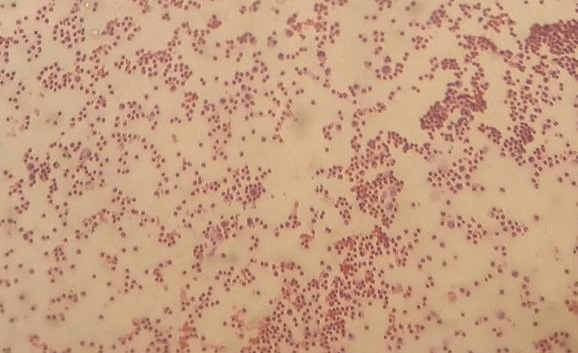
Image: Acute suppurative inflammation smear.jpg — علاء (CC BY-SA 3.0), via Wikimedia Commons
The Culprits: Unmasking the Inflammation Triggers
So, what fuels this chronic fire? Several factors can contribute, and often it's a combination of things. Here are some of the biggest offenders:
- Diet: A diet high in processed foods, sugar, and unhealthy fats is a major contributor. These foods can trigger an inflammatory response in the gut, which then spreads throughout the body.
- Stress: Chronic stress keeps your body in a constant state of alert, releasing stress hormones that promote inflammation.
- Lack of Exercise: Regular physical activity helps to regulate the immune system and reduce inflammation. A sedentary lifestyle, on the other hand, can worsen inflammation.
- Environmental Toxins: Exposure to pollutants, pesticides, and other environmental toxins can trigger inflammation.
- Gut Health: An imbalance of bacteria in the gut (dysbiosis) can lead to increased inflammation.
- Sleep Deprivation: Not getting enough sleep disrupts the body's natural inflammatory processes.
Dietary Power: Eating Your Way to Reduced Inflammation
One of the most powerful tools you have in fighting chronic inflammation is your diet. An anti-inflammatory diet focuses on whole, unprocessed foods that are rich in nutrients and antioxidants. Think of it as feeding your body the ingredients it needs to heal and thrive. According to a 2023 study published in the American Journal of Clinical Nutrition, participants following an anti-inflammatory diet for 12 weeks showed significant reductions in inflammatory markers. Foods to prioritize include:
- Fruits and Vegetables: Load up on colorful fruits and vegetables, especially berries, leafy greens, and cruciferous vegetables like broccoli and cauliflower.
- Healthy Fats: Include sources of healthy fats like olive oil, avocados, nuts, and seeds.
- Fatty Fish: Eat fatty fish like salmon, tuna, and mackerel at least twice a week. These are rich in omega-3 fatty acids, which have potent anti-inflammatory effects.
- Whole Grains: Choose whole grains like quinoa, brown rice, and oats over refined grains like white bread and pasta.
- Legumes: Beans, lentils, and other legumes are excellent sources of fiber and antioxidants.
- Spices: Incorporate anti-inflammatory spices like turmeric, ginger, and cinnamon into your cooking.
On the flip side, it's important to limit or avoid foods that can promote inflammation, such as:
- Processed Foods: These are often high in sugar, unhealthy fats, and artificial ingredients.
- Sugary Drinks: Soda, juice, and other sugary drinks can spike blood sugar and promote inflammation.
- Refined Grains: White bread, pasta, and other refined grains are quickly digested and can lead to blood sugar imbalances.
- Red and Processed Meats: These can contribute to inflammation in some individuals.
Beyond Diet: Lifestyle Strategies for Inflammation Control
While diet is crucial, it's just one piece of the puzzle. Several other lifestyle factors can significantly impact inflammation. Let's take a look:
- Stress Management: Find healthy ways to manage stress, such as meditation, yoga, spending time in nature, or engaging in hobbies you enjoy. A 2024 Harvard Health study demonstrated a direct correlation between mindfulness practices and reduced inflammatory markers. Harvard Health
- Regular Exercise: Aim for at least 30 minutes of moderate-intensity exercise most days of the week. Exercise helps to regulate the immune system and reduce inflammation.
- Sufficient Sleep: Prioritize getting 7-9 hours of quality sleep each night. Sleep deprivation can disrupt the body's natural inflammatory processes.
- Quit Smoking: Smoking is a major inflammatory trigger. Quitting smoking is one of the best things you can do for your overall health. The CDC offers numerous resources to help you quit.
- Maintain a Healthy Weight: Obesity is associated with chronic inflammation. Maintaining a healthy weight can help to reduce inflammation.
The Gut-Inflammation Connection: Nurturing Your Microbiome
Your gut microbiome – the community of bacteria, fungi, and other microorganisms that live in your digestive tract – plays a critical role in inflammation. An imbalance of bacteria in the gut (dysbiosis) can lead to increased inflammation. Here's how to nurture your gut microbiome:
- Eat a Fiber-Rich Diet: Fiber feeds the beneficial bacteria in your gut.
- Take a Probiotic Supplement: Probiotics can help to restore balance to the gut microbiome.
- Eat Fermented Foods: Fermented foods like yogurt, kefir, sauerkraut, and kimchi are rich in probiotics.
- Limit Antibiotics: Antibiotics can kill both good and bad bacteria in the gut. Use them only when necessary and as prescribed by your doctor.

Image: Inflammation time-course.png — Jenglish18 (CC BY-SA 4.0), via Wikimedia Commons
Tracking Your Progress: Biomarkers of Inflammation
How do you know if your efforts to reduce inflammation are working? Several biomarkers can be measured in blood tests to assess inflammation levels. These include:
| Biomarker | What It Measures | Normal Range (Approximate) |
|---|---|---|
| C-Reactive Protein (CRP) | General marker of inflammation in the body | 0-3 mg/L |
| Erythrocyte Sedimentation Rate (ESR) | Another general marker of inflammation | 0-22 mm/hr (men), 0-29 mm/hr (women) |
| Interleukin-6 (IL-6) | A specific inflammatory cytokine | Varies depending on the lab |
| Tumor Necrosis Factor-alpha (TNF-α) | Another specific inflammatory cytokine | Varies depending on the lab |
Talk to your doctor about getting these biomarkers checked if you're concerned about chronic inflammation. Monitoring these levels can help you track your progress and adjust your strategies as needed.
Frequently Asked Questions
Can I reverse chronic inflammation naturally?
Yes, in many cases, you can significantly reduce or even reverse chronic inflammation through lifestyle changes like diet, exercise, stress management, and improving gut health. However, it's important to work with your doctor to address any underlying medical conditions that may be contributing to inflammation.
What are the first signs of chronic inflammation?
The first signs can be subtle and vary from person to person, but common symptoms include fatigue, joint pain, skin rashes, digestive issues, and frequent infections. If you experience these symptoms persistently, it's worth discussing them with your doctor.
Are there specific supplements that help with inflammation?
Some supplements, like omega-3 fatty acids, turmeric/curcumin, ginger, and probiotics, have shown promise in reducing inflammation. However, it's important to talk to your doctor before taking any supplements, as they can interact with medications or have side effects. Always opt for high-quality supplements from reputable brands.
Bottom Line
Chronic inflammation is a serious issue, but it's not a life sentence. By making conscious choices about your diet, lifestyle, and gut health, you can take control of your inflammation levels and protect your long-term health. It's not about perfection; it's about progress. Start small, be consistent, and listen to your body. As a nurse, I've seen firsthand the power of lifestyle changes to transform lives, and I believe you have that power too. Take that first step today!
Sources & References:
National Institutes of Health (NIH)
Mayo Clinic
Centers for Disease Control and Prevention (CDC)
Harvard Health
PubMed
Disclaimer: This article is for informational purposes only and does not constitute medical advice. Always consult a qualified healthcare professional before making health decisions.