
A 2026 case report published in PubMed documents a patient with mixed connective tissue disease who developed Wernicke's encephalopathy — a dangerous brain disorder — after persistent vomiting depleted their thiamine (vitamin B1) stores. What makes this case striking is that Wernicke's is typically associated with chronic alcohol use, yet it can strike anyone whose body stops absorbing or retaining B1. Meanwhile, a multicenter retrospective series published just weeks earlier documented recreational nitrous oxide as an emerging cause of vitamin B12 deficiency and spinal cord damage in adolescents. Together, these reports underscore a simple but underappreciated truth: B vitamin deficiencies can be both silent and severe, and they are not confined to high-risk groups that clinicians often anticipate.
B vitamins are a family of eight water-soluble nutrients — B1, B2, B3, B5, B6, B7, B9, and B12 — that power nearly every energy-producing reaction in the human body. Because they are not stored in fat tissue the way vitamins A, D, E, and K are, your supply needs to be regularly replenished. When it isn't, the consequences can range from fatigue and skin changes to irreversible neurological damage. Here is what current evidence says about recognizing, understanding, and correcting deficiencies across the B vitamin family.

Image: Vitamin B precursors — Mplanine (CC0), via Wikimedia Commons
What B Vitamins Do — and Why the Whole Family Matters
Although they share a category name, the eight B vitamins serve distinct biochemical functions. B1 (thiamine) and B2 (riboflavin) anchor the cellular machinery that converts carbohydrates into usable energy. B3 (niacin) is central to DNA repair and hundreds of enzymatic reactions. B5 (pantothenic acid) builds coenzyme A, without which the body cannot synthesize fatty acids or metabolize protein. B6 (pyridoxine) regulates neurotransmitter synthesis and immune function. B7 (biotin) supports fat metabolism and gene expression. B9 (folate) is critical for DNA replication and cell division — the reason it is prescribed throughout pregnancy. B12 (cobalamin) maintains the myelin sheath that insulates nerve fibers and enables the formation of healthy red blood cells.
Because most B vitamins work cooperatively — B9 and B12 share a metabolic pathway for example — a shortage of one can cascade into apparent deficits of another. This is why diagnosing and treating B vitamin deficiency is rarely as simple as topping up a single nutrient.
B1 (Thiamine) Deficiency: Wernicke's Encephalopathy and Beriberi
Thiamine deficiency is one of the most clinically urgent nutritional deficiencies. Without adequate B1, nerve cells cannot generate energy, and two distinct syndromes can emerge. Beriberi presents as either peripheral neuropathy — weakness, tingling, and burning sensations in the extremities — in its "dry" form, or heart failure and fluid retention in its "wet" form. Wernicke's encephalopathy is the acute neurological emergency: confusion, impaired eye movements, and unsteady gait form the classic triad, but all three signs are present in fewer than 20% of confirmed cases, meaning many go undiagnosed until damage is done.
A 2026 case report (PMID 42550248) illustrates how Wernicke's can develop outside the contexts clinicians typically expect. The patient had mixed connective tissue disease and prolonged vomiting — no alcohol history, no overt malnutrition — yet thiamine stores collapsed. A separate 2026 case report (PMID 42536582) documented Wernicke's in a patient with alcoholic cirrhosis, reinforcing that any combination of poor intake, impaired absorption, and increased metabolic demand can deplete thiamine with alarming speed.
Groups at elevated risk include people with chronic alcohol use disorder, those recovering from bariatric surgery, patients with prolonged vomiting or severe gastrointestinal illness, and anyone receiving prolonged intravenous glucose without thiamine supplementation. Treatment requires prompt intravenous or intramuscular thiamine; the oral route is too slow in acute cases and should not be relied upon when neurological symptoms are already present.
B12 (Cobalamin) Deficiency: From Fatigue to Spinal Cord Damage
Vitamin B12 deficiency is the most common B vitamin deficiency worldwide, with an estimated prevalence of 6–12% in adults under 60 and up to 20% in those over 60. The neurological consequences — subacute combined degeneration of the spinal cord — can become permanent if treatment is delayed beyond weeks to months.
A growing and underrecognized cause is recreational nitrous oxide ("laughing gas"). A 2026 multicenter retrospective case series and systematic literature review (PMID 42474763) specifically documented this phenomenon in adolescents, finding that nitrous oxide irreversibly inactivates B12 by oxidizing the cobalt atom at its center. Even young people with normal dietary B12 intake can develop severe spinal cord and nerve damage from repeated recreational use. Patients in the series presented with progressive leg weakness, tingling, and difficulty walking — symptoms initially misattributed to other causes. The rising popularity of nitrous oxide cartridges as a recreational drug has made this an important public health issue that clinicians and parents should be aware of.
Beyond nitrous oxide, the most common causes of B12 deficiency include: vegan or strict vegetarian diets (B12 occurs almost exclusively in animal products); pernicious anemia, an autoimmune condition that destroys intrinsic factor needed for B12 absorption; long-term metformin use, which reduces B12 absorption; proton pump inhibitor (PPI) use, which reduces the stomach acid needed for B12 release from food; and older age, as gastric atrophy reduces intrinsic factor secretion.
Treatment depends on severity and cause. Mild deficiency without absorption problems can be corrected with high-dose oral B12 (1,000–2,000 mcg daily). Pernicious anemia and other malabsorption conditions typically require intramuscular injections, often given monthly for life.
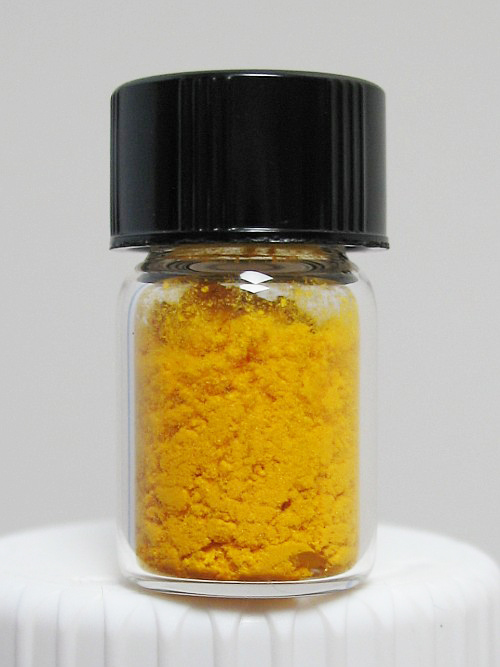
Image: Folic acid crystals — W. Oelen (CC BY-SA 3.0), via Wikimedia Commons
Folate (B9) Deficiency: Pregnancy Risks and Megaloblastic Anemia
Folate deficiency produces megaloblastic anemia — red blood cells that grow abnormally large but cannot divide properly — causing fatigue, shortness of breath, and pallor. Both B9 and B12 deficiency produce this presentation, which is why clinicians must test for both before treating: giving folate to someone with undetected B12 deficiency can correct the anemia while allowing neurological damage to continue silently.
The pregnancy stakes are especially high. Folate is essential for neural tube closure, which occurs in the first four weeks after conception — often before a woman knows she is pregnant. Insufficient folate at this stage increases the risk of neural tube defects including spina bifida and anencephaly. This is why supplementation is recommended before conception, not after confirmation of pregnancy. Dietary sources include dark leafy greens, legumes, asparagus, and fortified grains. Most prenatal vitamins provide 400–800 mcg of folate daily; women with a prior history of a neural tube defect-affected pregnancy are typically advised to take 4 mg.
Other B Vitamin Deficiencies You Should Know
B2 (Riboflavin) deficiency produces ariboflavinosis: cracked corners of the mouth (angular cheilitis), inflamed tongue, and light sensitivity. It is uncommon in developed countries but can occur in people who avoid dairy and meat entirely without careful dietary planning.
B3 (Niacin) deficiency leads to pellagra, historically linked to corn-staple diets without diverse protein sources. The classic presentation is the "four Ds": dermatitis on sun-exposed skin, diarrhea, dementia, and death if untreated. It is rare in high-income settings but persists in some regions with food insecurity.
B6 (Pyridoxine) deficiency causes peripheral neuropathy, seborrheic dermatitis, and depressed mood, since B6 is required for serotonin and dopamine synthesis. Paradoxically, excessive B6 supplementation (above 200 mg/day long-term) can itself cause peripheral neuropathy — making "more is better" a genuinely dangerous assumption with this vitamin.
B7 (Biotin) deficiency is rare given its wide presence in foods. It presents as hair thinning, brittle nails, and a skin rash around the mouth. Consuming large amounts of raw egg whites — which contain avidin, a protein that binds and blocks biotin absorption — is a documented cause.
| Vitamin | Key Deficiency Symptoms | High-Risk Groups | Primary Treatment |
|---|---|---|---|
| B1 (Thiamine) | Confusion, eye movement abnormalities, neuropathy, heart failure | Alcohol use disorder, bariatric surgery patients, prolonged vomiting | IV/IM thiamine (acute); oral supplement (maintenance) |
| B3 (Niacin) | Dermatitis, diarrhea, dementia (pellagra) | Poor dietary diversity, corn-staple diets, food insecurity | Oral niacin supplementation |
| B9 (Folate) | Megaloblastic anemia, fatigue, neural tube defects in pregnancy | Pregnant women, alcohol use disorder, malabsorption conditions | Oral folic acid 400–4,000 mcg/day |
| B12 (Cobalamin) | Megaloblastic anemia, peripheral neuropathy, cognitive decline | Vegans, elderly, metformin users, recreational nitrous oxide users | High-dose oral B12 or monthly IM injection |
How B Vitamin Status Is Assessed and Treated
Standard serum B12 testing is widely available but has limitations: serum levels can remain within the normal range even when tissue function is already impaired. A more sensitive approach combines serum B12 with methylmalonic acid (MMA) — which rises when B12-dependent enzyme function is compromised — and homocysteine, which is elevated in both B12 and folate deficiency. Requesting these markers alongside standard B12 levels gives a far more complete clinical picture.
For thiamine, serum thiamine and erythrocyte transketolase activity are the standard markers, though in clinical emergencies, thiamine is typically administered before test results return — the cost of waiting for results can be permanent neurological damage, while the treatment itself is safe and inexpensive.
Folate status is assessed by serum and red blood cell (RBC) folate. RBC folate reflects longer-term tissue stores and is considered a more reliable indicator than serum folate alone. Most treatment courses for dietary deficiency are straightforward: 1–5 mg of folic acid orally daily for several months, with attention to any underlying malabsorption.
Frequently Asked Questions
Can you get enough B12 from a vegan diet without supplements?
No. Vitamin B12 is found in meaningful amounts only in animal products — meat, fish, eggs, and dairy. Plant foods do not provide bioavailable B12 unless they are fortified (such as some plant milks and nutritional yeasts). Anyone following a strict vegan diet needs to supplement consistently or consume B12-fortified foods daily. The body's liver stores can mask deficiency for two to five years before symptoms emerge, making early and consistent supplementation essential rather than optional.
How quickly can thiamine deficiency become dangerous?
The human body stores only about 30–50 mg of thiamine at a time, with a half-life of roughly 18 days under normal conditions. In situations of zero intake combined with high metabolic demand — prolonged illness, intravenous glucose administration without thiamine, or relentless vomiting — clinically significant deficiency can develop within weeks. This is why intravenous thiamine is standard protocol before glucose is administered to any malnourished patient in an emergency setting.
Is a B-complex supplement enough to prevent all B vitamin deficiencies?
For most healthy adults eating a varied diet, a B-complex supplement adds a useful safety margin but does not correct established deficiencies on its own. For example, pernicious anemia requires high-dose B12 because the absorption mechanism is compromised — a standard B-complex dose of 6–10 mcg will not correct it. If blood tests confirm deficiency, work with a clinician to determine the appropriate dose and route of administration rather than assuming over-the-counter supplements will suffice.
Bottom Line: B vitamin deficiencies are more varied and more serious than most people realize. Emerging evidence — including documented Wernicke's encephalopathy in non-alcoholic patients and B12 spinal cord damage in adolescents from recreational nitrous oxide — shows these deficiencies do not only affect the groups clinicians traditionally screen. We recommend annual screening of B12 and folate for vegans, people over 50, and anyone on long-term metformin or proton pump inhibitors. If you experience unexplained fatigue, tingling in the extremities, or sudden mood changes, ask your clinician to include B12, folate, and methylmalonic acid in your bloodwork — for most cases, once diagnosed, treatment is safe, inexpensive, and highly effective.
Sources & References:
Wernicke's encephalopathy in mixed connective tissue disease triggered by persistent vomiting: a case report and literature review — PubMed PMID 42550248 (2026)
Alcoholic cirrhosis with Wernicke encephalopathy: Clinical case report — PubMed PMID 42536582 (2026)
Recreational nitrous oxide-related myeloneuropathy in adolescents: a multicenter retrospective case series and systematic literature review — PubMed PMID 42474763 (2026)
Disclaimer: This article is for informational purposes only and does not constitute medical advice. Always consult a qualified healthcare professional before making health decisions.