
A review published in Nutrients in August 2026 examined omega-3 polyunsaturated fatty acid (PUFA) formulations across multiple randomized controlled trials and concluded that cardiovascular protection from fish oil is real — but that formulation type, dose, and patient context determine how meaningful that protection is. Meanwhile, a meta-analysis covering 35 trials and 114,592 individuals published in Circulation: Arrhythmia and Electrophysiology the same month refined our understanding of how omega-3s interact with heart rhythm. Together, these studies mark a significant update to what clinicians and consumers should know about fish oil and heart health.
How Omega-3 Fatty Acids Work in the Heart
Omega-3 fatty acids — primarily eicosapentaenoic acid (EPA) and docosahexaenoic acid (DHA) — protect the cardiovascular system through several well-established mechanisms. They reduce circulating triglycerides, lower systemic inflammation, improve endothelial function, and stabilize the electrical activity of cardiomyocytes.
At the cellular level, EPA and DHA incorporate into the phospholipid bilayer of heart muscle cell membranes. This changes how ion channels behave — particularly sodium, potassium, and calcium channels — making the heart more electrically stable and less prone to dangerous arrhythmias. Research from Billman and colleagues demonstrated this mechanism: both EPA and DHA physically embed into the cardiac membrane, altering its fluidity in cardioprotective ways.
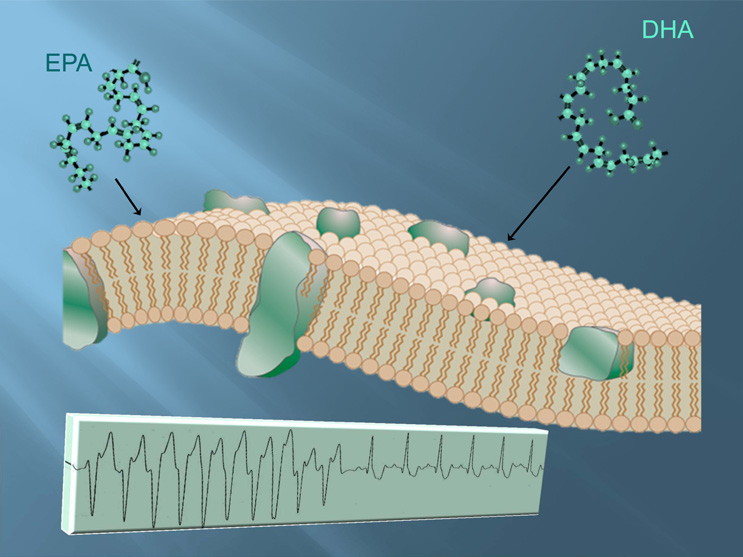
Image: Interaction of omega-3s with cardiac cell membrane — George Billman (CC BY 3.0), via Wikimedia Commons
EPA vs. DHA: Different Roles, Same Goal
EPA and DHA are both long-chain omega-3 fatty acids, but they act differently in the body. EPA is primarily anti-inflammatory — it competes with arachidonic acid for enzymatic pathways, reducing the production of pro-inflammatory prostaglandins and leukotrienes. DHA is a major structural component of cell membranes, particularly in the heart, retina, and brain.
From a cardiovascular standpoint, EPA appears to be the more potent of the two for reducing major adverse cardiac events. The REDUCE-IT trial showed that high-dose pharmaceutical EPA significantly reduced cardiovascular events in patients with elevated triglycerides who were already on statin therapy. That said, both fatty acids are valuable, and most people benefit from a combination. The key difference lies in what condition you're targeting and what formulation you choose.
Omega-3 and Atrial Fibrillation: Dose Is Everything
One area of active research concerns omega-3 supplementation and atrial fibrillation (AF) — an irregular heart rhythm that significantly increases stroke risk. The picture here is nuanced, and the 2026 meta-analysis in Circulation: Arrhythmia and Electrophysiology provides the most comprehensive view yet.
Covering 35 trials and over 114,000 individuals, the analysis found a dose-dependent relationship: at standard doses (1 gram per day or less), omega-3 supplementation does not significantly raise AF risk and may modestly reduce it. At higher pharmacological doses (2+ grams per day), particularly with combined EPA+DHA formulations, a small but statistically significant increase in AF risk was observed in certain patient populations. Importantly, EPA-only formulations at high doses did not show this increased AF signal as prominently, suggesting formulation composition matters as much as dose.
The takeaway for most healthy adults: standard-dose fish oil supplements are not associated with meaningful AF risk. For those on high-dose omega-3 prescriptions, regular monitoring and physician oversight are appropriate.
Best Dietary Sources of Omega-3
Supplements are not the only path to omega-3 sufficiency. Fatty fish are the richest dietary source of EPA and DHA: salmon, mackerel, sardines, herring, and anchovies provide significant amounts per serving. Two to three servings of oily fish per week meets cardiovascular omega-3 recommendations for most adults.
Plant-based sources provide alpha-linolenic acid (ALA) — the short-chain omega-3 found in flaxseeds, chia seeds, walnuts, and hemp seeds. The body can convert ALA to EPA and DHA, but conversion efficiency is low (typically under 10% for EPA and under 1% for DHA). Vegetarians and vegans face a meaningful gap that algae-derived DHA and EPA supplements address more reliably than plant-based ALA alone.
Omega-3-enriched eggs are another practical option — hens fed flaxseed-rich diets produce eggs with meaningfully elevated ALA content and some EPA and DHA, providing a simple dietary upgrade for egg eaters.

Image: Raw eggs enriched with Omega-3 — Maor X (CC BY-SA 3.0), via Wikimedia Commons
Choosing the Right Fish Oil Supplement
The supplement market is crowded and inconsistent. The 2026 Nutrients review specifically noted that formulation type significantly affects both clinical efficacy and environmental impact. Here is what matters when selecting a product:
- Form: Triglyceride (TG) form fish oil is better absorbed than ethyl ester (EE) form. Most affordable OTC supplements use ethyl ester, which requires higher doses to deliver equivalent EPA/DHA. Re-esterified triglyceride (rTG) offers the highest bioavailability.
- EPA/DHA content: Many capsules contain only 300mg of combined EPA+DHA despite being labeled "1000mg fish oil." Read the supplement facts panel, not the marketing copy.
- Oxidation: Fish oil oxidizes readily. Seek products with third-party testing certification (IFOS, USP, or NSF) and store them in cool, dark conditions. Rancid fish oil may deliver none of the cardiovascular benefits.
- Sustainability: The 2026 Nutrients review highlighted algae-based omega-3 production as a more environmentally sustainable alternative that removes fishing pressure from marine ecosystems — an increasingly important consideration for long-term consumers.
| Source | EPA/DHA Level | Bioavailability | Best For |
|---|---|---|---|
| Fatty fish (salmon, mackerel) | High (1–2g/serving) | Excellent | General heart health |
| Fish oil (TG form) | Medium-High | Good | Daily supplementation |
| Fish oil (EE form) | Medium | Moderate (better with fat) | Budget supplementation |
| Krill oil | Lower per capsule | Good (phospholipid form) | Those sensitive to fish aftertaste |
| Algae oil (DHA/EPA) | DHA-dominant | Good | Vegans, sustainability focus |
| Flaxseed/Chia (ALA) | Requires conversion | Low for EPA/DHA | Plant-based baseline |
Frequently Asked Questions
How much omega-3 per day is recommended for heart health?
For general cardiovascular health in healthy adults, most guidelines suggest 250–500mg of combined EPA and DHA daily from diet or supplements. For those with elevated triglycerides or established cardiovascular disease, physicians may recommend 2–4g per day of prescription-grade formulations — a dose range that requires medical oversight given the dose-dependent atrial fibrillation signal identified in recent meta-analyses.
Can I get enough omega-3 from diet without supplements?
Most people who regularly eat fatty fish two to three times per week can meet cardiovascular omega-3 recommendations from diet alone. A single serving of Atlantic salmon provides roughly 1.5–2g of EPA+DHA. Vegetarians, vegans, and those who dislike fish face a meaningful dietary gap that algae-derived EPA/DHA supplements address more reliably than plant-based ALA alone, given ALA's low conversion efficiency to long-chain omega-3s.
Is fish oil safe to take alongside blood thinners?
At standard doses (1g/day or less), fish oil's anticoagulant effect is modest and not clinically significant for most people. At higher doses (3–4g/day), this effect becomes more relevant. Anyone taking warfarin, aspirin, or other anticoagulants should discuss fish oil supplementation with their physician, as dose adjustments and closer monitoring may be necessary.
The evidence for omega-3 fatty acids in cardiovascular health has never been more refined. We now have a clearer picture of which formulations work, at what doses, for which patients — and where caution is warranted. For most adults, including more fatty fish in the diet and supplementing with a quality, third-party-tested fish oil when dietary intake falls short remains one of the most evidence-backed cardiovascular lifestyle interventions available.
Sources & References:
Egalini F, et al. "Omega-3 Polyunsaturated Fatty Acid Formulations in Cardiovascular Prevention: Balancing Clinical Efficacy, Safety, and Environmental Sustainability." Nutrients. 2026 Aug 4. PMID: 42588160
Abuknesha NR, Harris WS, et al. "Effects of Omega-3 Fatty Acid Treatment on Risk for Atrial Fibrillation: An Updated Meta-Analysis of 35 Trials including 114,592 Individuals." Circulation: Arrhythmia and Electrophysiology. 2026 Aug. PMID: 42517224
Disclaimer: This article is for informational purposes only and does not constitute medical advice. Always consult a qualified healthcare professional before making health decisions.