
Telomeres — the protective caps at the ends of our chromosomes — have become one of the most studied targets in longevity research. A 2026 systematic review published in Ageing Research Reviews by Lin, Altulea, and Demaria examined the effects of nutritional interventions on biomarkers of cellular senescence in humans, adding to a growing body of evidence that what we eat and supplement may meaningfully influence the biological processes underlying aging. While no pill can halt the clock entirely, the science points to some clear, actionable directions.

Image: File:The main markers of immunosenescence.jpg — Jingyao Lian et al. (CC BY-SA 4.0), via Wikimedia Commons
What Are Telomeres and Why Do They Shorten?
Think of telomeres as the plastic tips on shoelaces. Each time a cell divides, these caps shorten slightly. When telomeres become critically short, the cell either enters a state called senescence (a kind of suspended animation where it stops dividing) or triggers its own destruction through apoptosis. Over decades, accumulated senescent cells drive chronic inflammation, tissue dysfunction, and many of the diseases we associate with old age — from cardiovascular disease to cognitive decline.
The enzyme telomerase can rebuild telomere length, but its activity is mostly switched off in adult somatic cells. That gap between telomere erosion and insufficient repair is precisely where nutritional science is looking for leverage. Certain compounds, researchers have found, can modulate telomerase activity, reduce oxidative stress on telomeres, and even influence the rate of cellular senescence.
What a 2026 Systematic Review Found
The systematic review by Lin, Altulea, and Demaria (Ageing Research Reviews, 2026) focused on measurable biomarkers of cellular senescence in human subjects — not animal models. This distinction matters enormously: many compounds that extend lifespan in mice have failed to translate to humans. By restricting analysis to human trials, the authors provided a more clinically relevant foundation for understanding which nutritional strategies actually move the biological needle.
The review examined interventions spanning dietary changes, specific supplement compounds, and combined nutritional protocols. Biomarkers measured included telomere length, telomerase activity, levels of the senescence marker SA-β-galactosidase, and inflammatory cytokines associated with the senescence-associated secretory phenotype (SASP). The takeaway for readers: the evidence base is still evolving, effects are often modest, and no single supplement replaces a broadly healthy lifestyle — but the signals are real and worth understanding.
Supplements With Credible Telomere-Related Evidence
Several compounds appear consistently in high-quality telomere research:
NAD+ precursors (NMN, NR): Nicotinamide mononucleotide (NMN) and nicotinamide riboside (NR) support the NAD+ pathway, which is central to cellular energy production and DNA repair. NAD+ levels decline with age, and restoring them in human studies has been associated with improved mitochondrial function. Some research links NAD+ repletion to reduced oxidative damage at telomeres, though direct telomere length effects in humans remain under investigation.
Omega-3 fatty acids: Several human observational studies have associated higher omega-3 status with longer telomeres. Randomized controlled trials using omega-3 supplementation have shown reductions in the inflammatory cytokines that accelerate telomere attrition. The mechanism is partly anti-inflammatory and partly involves reduced oxidative stress at chromosome ends.
Resveratrol: This polyphenol, found in red grapes and berries, has been shown to activate SIRT1, a sirtuin enzyme involved in DNA repair and gene silencing at telomeric regions. Human trial results are mixed, but some interventions combining resveratrol with other polyphenols have demonstrated reduced SASP markers in older adults.
Vitamin D: Lower vitamin D status has been consistently associated with shorter telomeres in cross-sectional studies. Supplementation trials in vitamin D-deficient adults have shown improvements in cellular inflammation markers, with some evidence of attenuated telomere shortening rates over multi-year follow-up.
Folate and B vitamins: Folate is essential for DNA methylation and repair. Deficiency accelerates telomere erosion. Ensuring adequate B-vitamin intake — particularly folate, B6, and B12 — is one of the most evidence-backed nutritional strategies for genome stability.
How Supplements Compare: Evidence Quality and Expected Effects
| Supplement | Evidence Quality | Primary Mechanism | Key Consideration |
|---|---|---|---|
| Omega-3 (EPA/DHA) | Strong (RCTs + observational) | Anti-inflammatory, reduces oxidative stress | 2–3g/day EPA+DHA common in trials |
| Vitamin D | Moderate (observational strong, RCTs mixed) | Immune modulation, reduced SASP | Most benefit seen in deficient individuals |
| NAD+ precursors (NMN/NR) | Emerging (early human trials promising) | DNA repair, mitochondrial function | Long-term human data still limited |
| Folate / B vitamins | Strong for baseline sufficiency | DNA methylation and repair | Correcting deficiency is the priority |
| Resveratrol | Mixed (bioavailability challenges) | SIRT1 activation, reduced SASP | Higher doses may be needed for effect |
| Magnesium | Moderate (deficiency common; correcting helps) | Cofactor for DNA repair enzymes | Underrecognized role in genome stability |
What Supplements Cannot Replace
The research is unambiguous on one point: supplements act on a foundation set by lifestyle. The most consistent predictors of longer telomeres in human studies remain aerobic exercise, high diet quality (particularly Mediterranean-style eating patterns), non-smoking, adequate sleep, and low chronic stress. Supplementing omega-3s while sleeping four hours a night and eating primarily ultra-processed food is unlikely to shift your telomere trajectory meaningfully.
Similarly, the senescence biology examined in the 2026 Ageing Research Reviews systematic review makes clear that cellular aging is multifactorial. Oxidative damage, chronic inflammation (often called "inflammaging"), impaired DNA repair, and mitochondrial dysfunction all contribute simultaneously. This is why researchers increasingly study combinations of nutritional interventions rather than single compounds — and why a whole-food dietary pattern with targeted supplementation outperforms any individual pill.
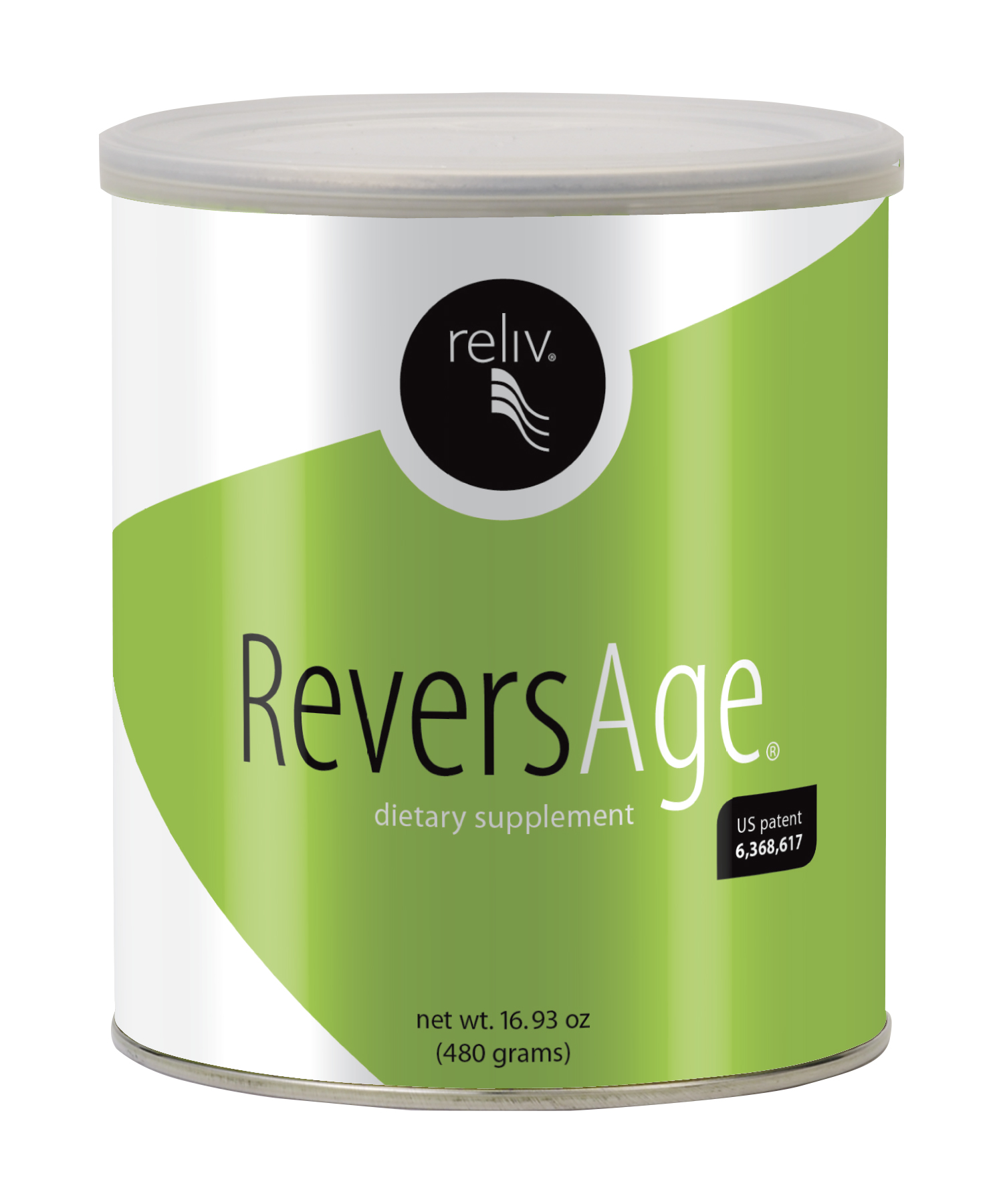
Image: File:ReversAge.jpg — via Wikimedia Commons (CC BY 2.0). Shown as an example of a commercially available dietary supplement mixture.
How to Evaluate a Telomere Supplement Claim
The supplement industry is rife with overpromising. Here is a practical checklist for evaluating any product claiming to support telomere length or healthy aging:
- Is there human evidence? Animal studies and cell cultures do not reliably predict human outcomes in telomere biology. Look for randomized controlled trials in humans.
- What biomarker was measured? Direct telomere length measurement (via qPCR or flow-FISH) is more meaningful than indirect proxy markers. "Antioxidant capacity" alone is not a telomere outcome.
- Was the study population similar to you? Many positive findings are in nutrient-deficient or elderly populations. If you are already replete, the effect may be smaller.
- Who funded the trial? Manufacturer-funded studies warrant additional scrutiny. Look for independent replication.
- What dose was used? Many supplement products contain doses well below those tested in research. Check that the amount per serving matches the studied dose.
Frequently Asked Questions
Can supplements actually lengthen telomeres that have already shortened?
Research suggests that telomerase-activating approaches and reduction of oxidative damage may slow further attrition and in some cases modestly increase telomere length, particularly in immune cells where telomerase remains somewhat active. However, the primary goal of nutritional interventions is to slow the rate of shortening rather than dramatically reverse years of erosion. Even modest preservation of telomere length over decades has meaningful implications for healthy longevity.
Is there a single best supplement for telomere health?
No. The biology is too multifactorial for any single compound to be definitively "best." If forced to prioritize, ensuring adequacy of omega-3 fatty acids, vitamin D, and B vitamins addresses several converging pathways — oxidative stress, inflammation, and DNA repair — and has the broadest human evidence base. From there, NAD+ precursors like NMN or NR represent a logical next step given the quality of emerging human trial data.
How long does it take to see measurable effects on telomere length?
Human telomere studies typically run for 12 to 36 months before meaningful within-subject changes are detectable, given normal biological variation and measurement precision. This means that realistic supplement protocols should be evaluated over years, not weeks. Short-term trials often measure indirect biomarkers like inflammatory cytokines or senescence markers, which can change faster and serve as reasonable proxies for longer-term telomere trajectory.
The Bottom Line
The 2026 systematic review in Ageing Research Reviews reinforces what the best science in longevity research has been converging on: nutritional interventions can measurably influence the cellular aging process, including biomarkers of senescence and telomere dynamics. The evidence most strongly supports omega-3 fatty acids, adequate B vitamins and folate, vitamin D sufficiency, and — with growing human trial support — NAD+ precursors like NMN. We recommend treating supplementation as a complement to, not a substitute for, a high-quality dietary pattern, regular exercise, and restorative sleep. Start with deficiency correction, build from there, and be skeptical of any single product claiming to dramatically reverse biological age.
Sources & References:
Lin Y, Altulea A, Demaria M. Effects of nutritional interventions on biomarkers of cellular senescence in humans: A systematic review. Ageing Research Reviews. 2026 Jul;121:103224. PMID: 42401265
Disclaimer: This article is for informational purposes only and does not constitute medical advice. Always consult a qualified healthcare professional before making health decisions.